WHO-RECOMMENDED INTERVENTION
Safe places for young children
Provide safe places away from water for preschool children.
CINI DROWNING PREVENTION PROGRAMME
Since 2018, CINI has worked with children, families, communities and systems to prevent drowning—turning local knowledge into life-saving action.
THE GLOBAL URGENCY
WHO reports that drowning takes more than 300,000 lives each year—around 30 every hour.
View the WHO sourceestimated global drowning deaths every year
estimated global drowning deaths today
Based on WHO's estimate of 30 deaths per hour—not a live surveillance feed.CINI aligns its action with the Global Strategy for Drowning Prevention and its target to reduce the global drowning death rate.
HEALTH & NUTRITION
In water-rich communities, ponds, rivers, canals, embankments and seasonal flooding are part of everyday life. For young children, they can also create a constant and often invisible risk.
CINI’s child-centred model connects prevention, safe supervision, rescue and resuscitation, aquatic education, evidence and advocacy—so that safety becomes part of the community system.
Drowning prevention puts CINI’s human-rights-based approach into practice through the seven Child-Friendly Community building blocks—connecting children, families, communities, services and local governance around every child’s right to safety.
Explore the CINI Method ↗AT A GLANCE
Current milestones · CINI programme records.
WHO FRAMEWORK · CINI IN ACTION
Our work combines practical protection today with the evidence and partnerships needed for lasting change.
WHO-RECOMMENDED INTERVENTION
Provide safe places away from water for preschool children.
WHO-RECOMMENDED INTERVENTION
Install barriers that restrict unsupervised access to water.
WHO-RECOMMENDED INTERVENTION
Teach school-age children over six swimming and water-safety skills.
WHO-RECOMMENDED INTERVENTION
Build resilience and manage flood risks and other hazards.
WHO-RECOMMENDED INTERVENTION
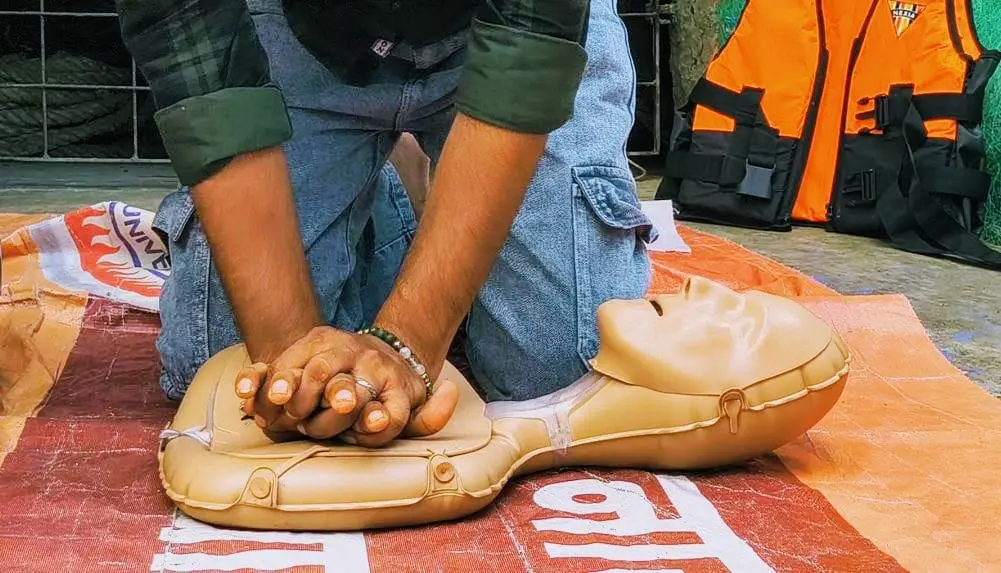
Train bystanders in safe rescue and resuscitation.
WHO-RECOMMENDED INTERVENTION
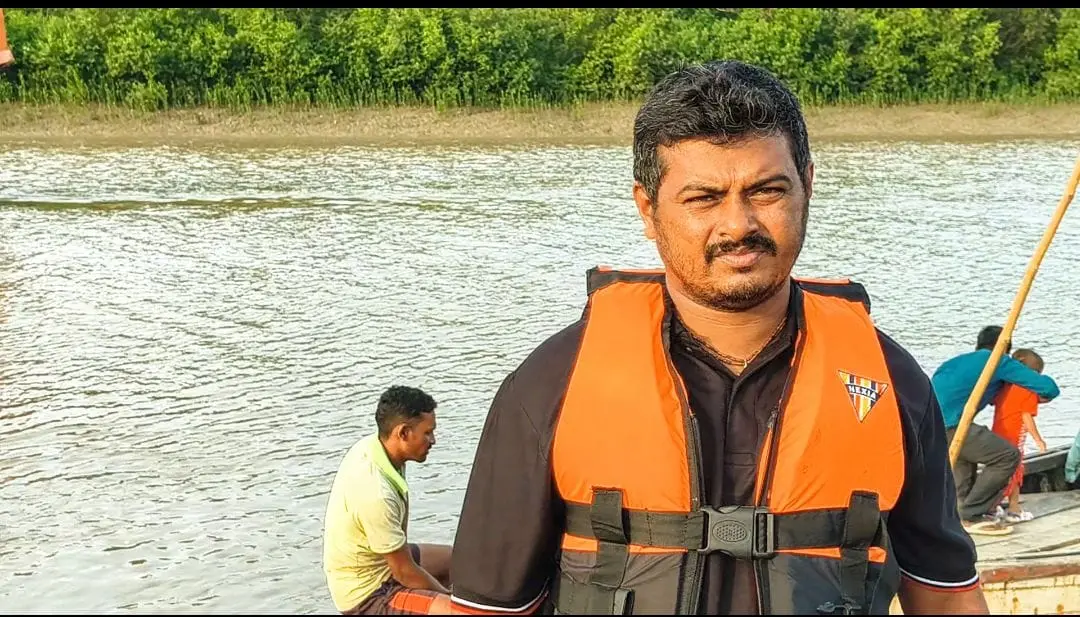
Set and enforce safe boating, shipping and ferry regulations.
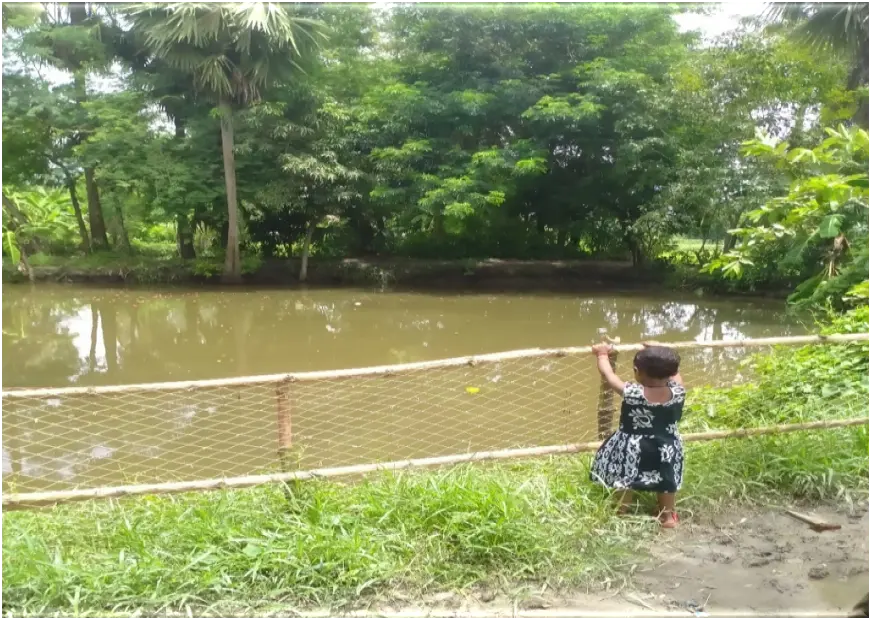
Locally adapted pond fencing helps restrict young children's unsupervised access to open water.
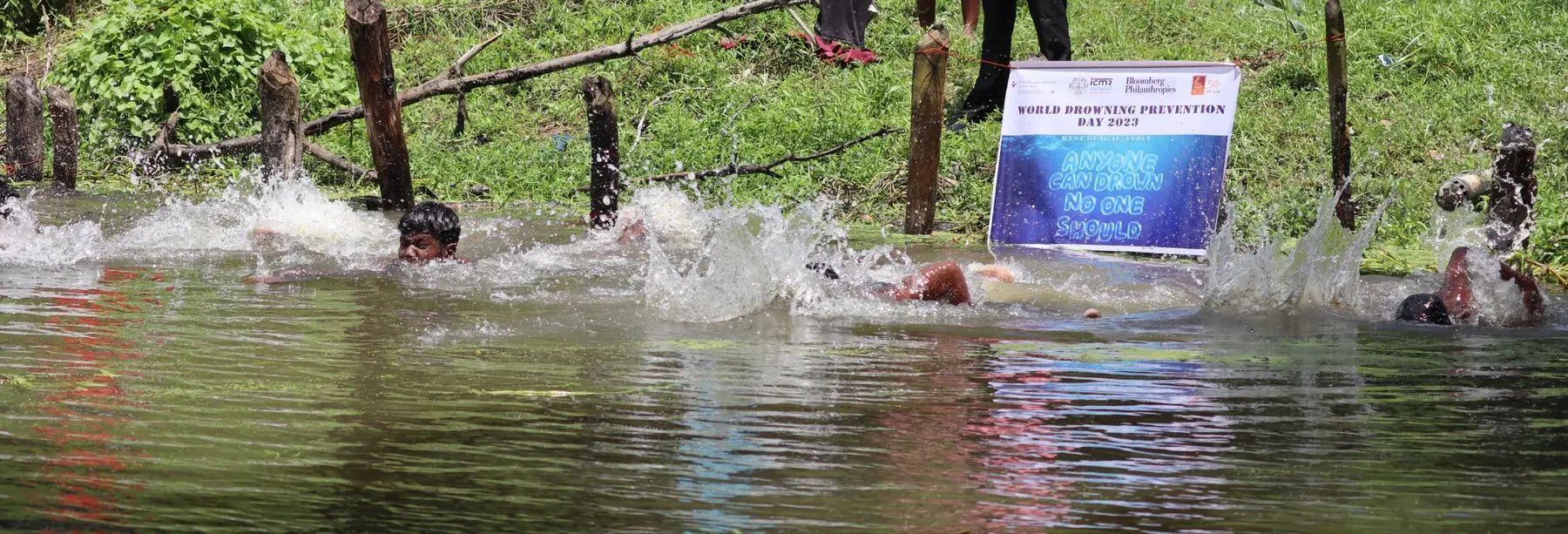
Pond-based practice helps school-age children build swimming and water-safety skills in a structured environment.
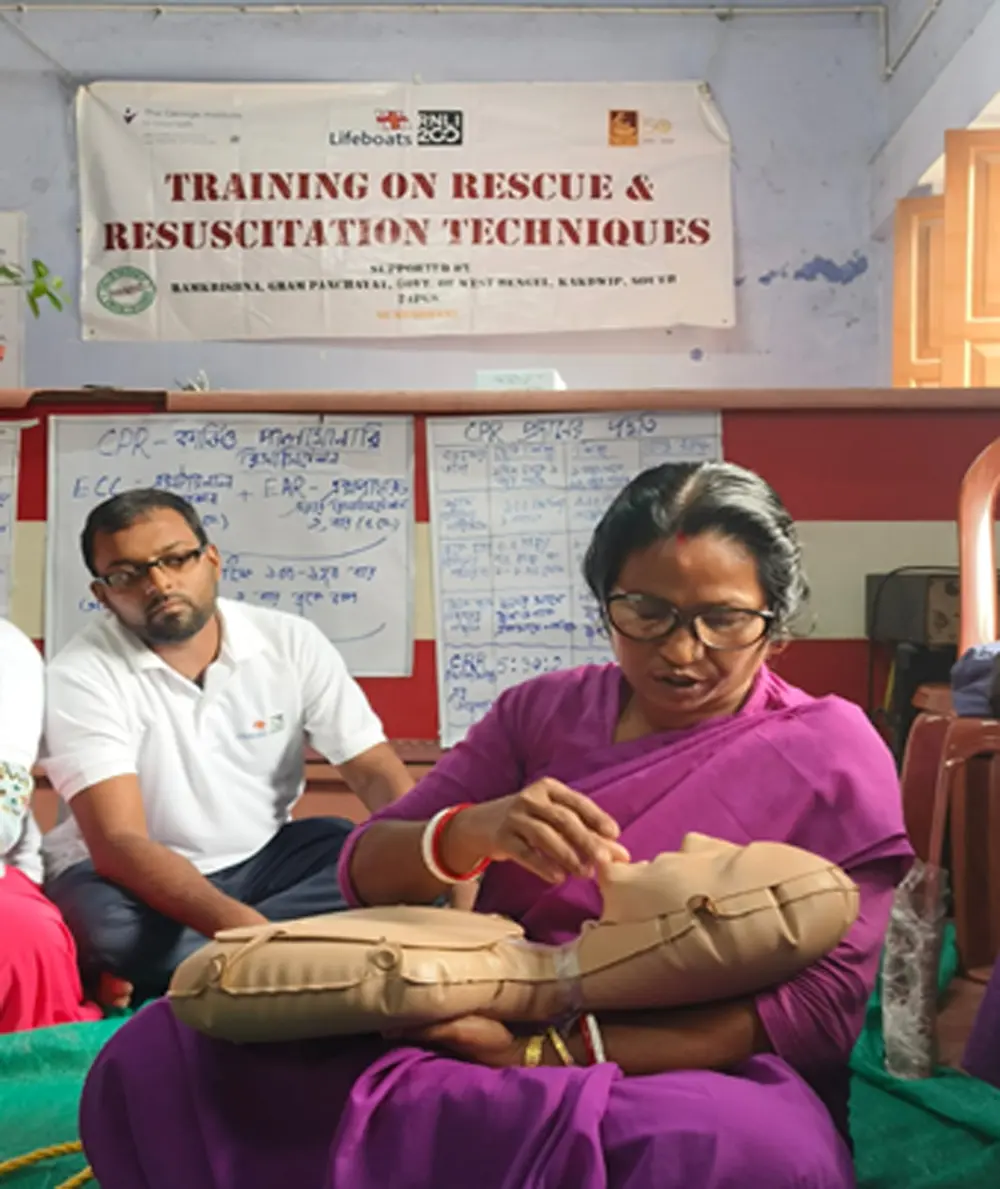
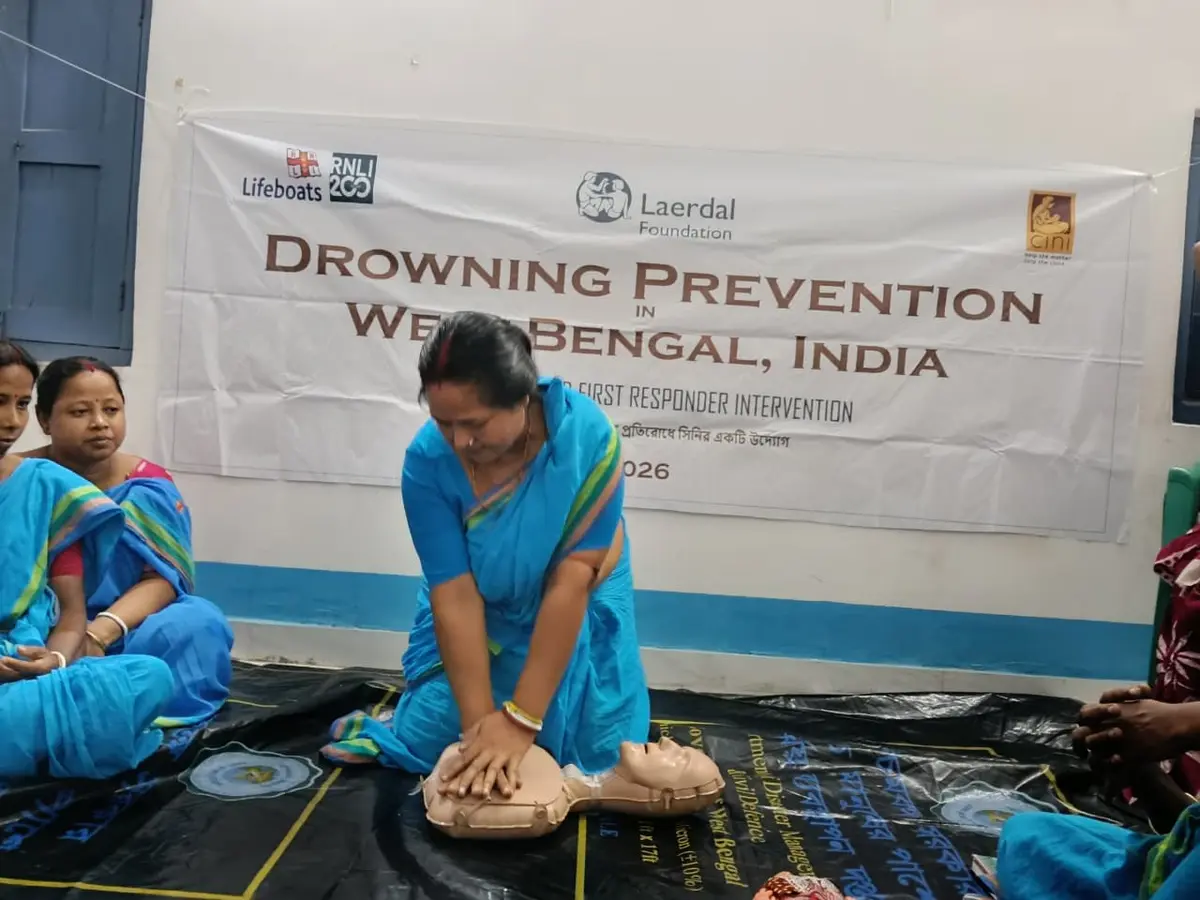
Hands-on sessions build confidence in CPR, resuscitation, safe response and life-jacket use.
Framework reference: World Health Organization recommendations for drowning prevention. The CINI actions shown are programme responses mapped to that framework; this presentation does not imply WHO endorsement of this webpage.
CHILDREN LEAD CHANGE
PARTICIPATION
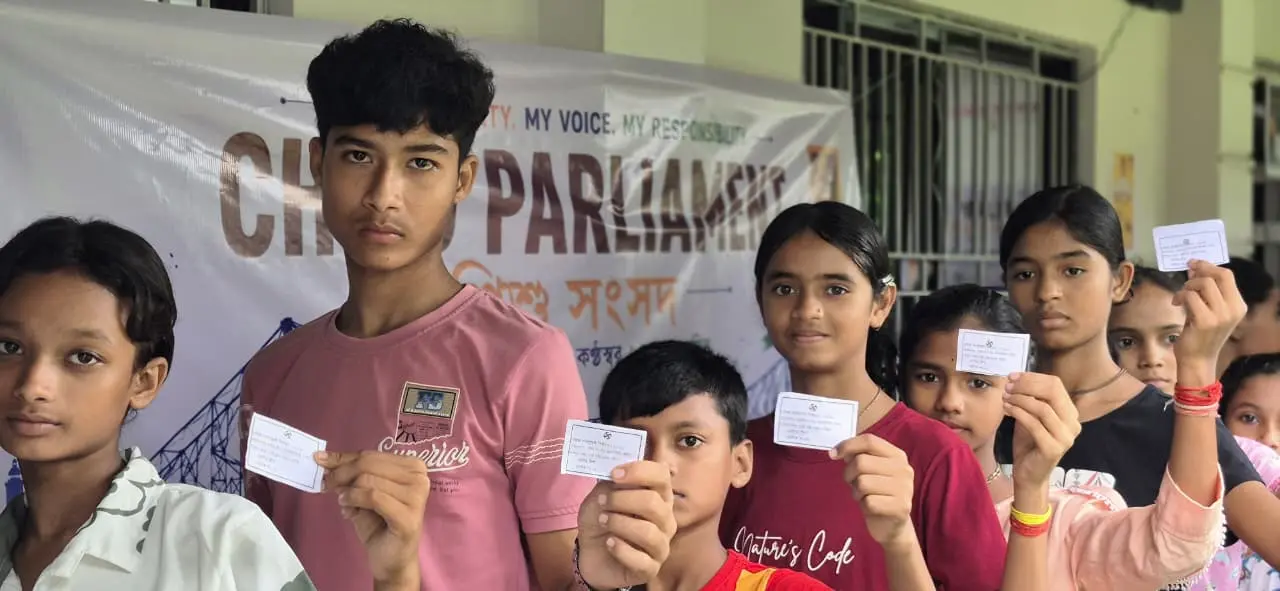
Child Parliaments make risk visible, engage local decision-makers and help communities hear the voices that are too often missing from safety planning.
“We are losing our friends. What are our leaders doing?”Voices raised by Child Parliament members since 2019
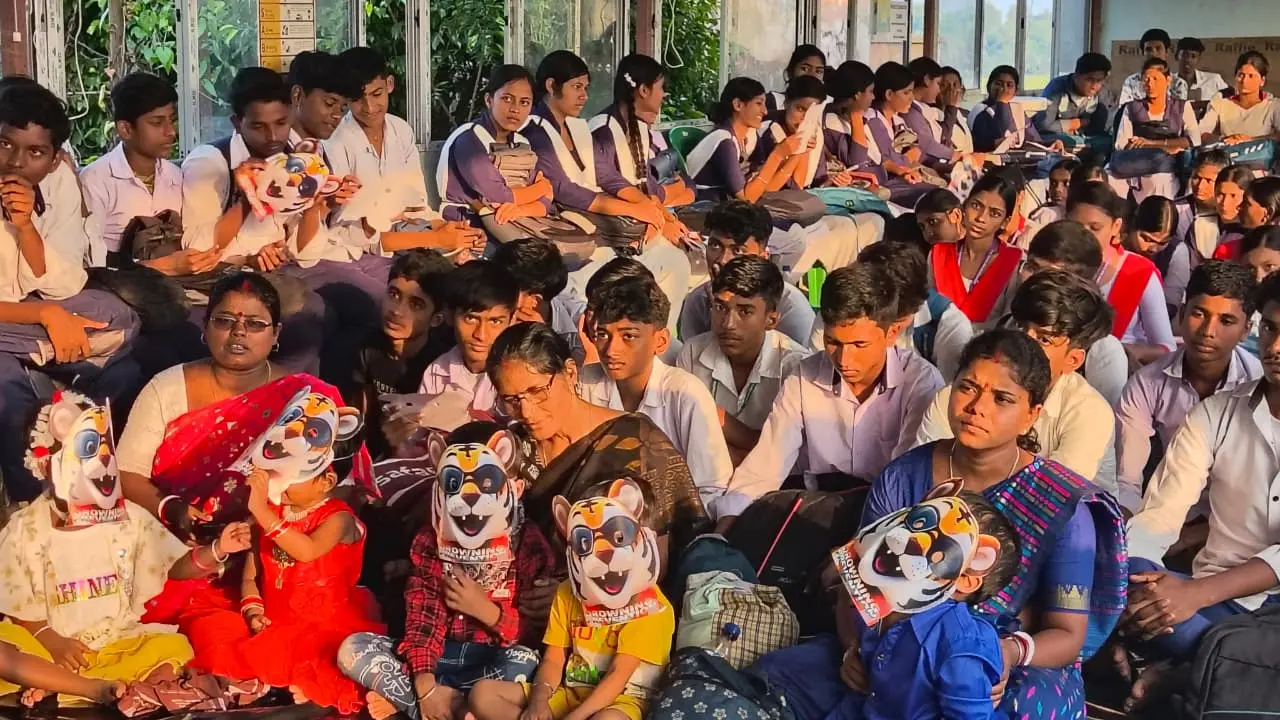
Children and adolescents join Baghu-led water-safety learning
THE MOVEMENT IN ACTION
Water safety becomes sustainable when children, women, men, frontline workers and local leaders each have a role.
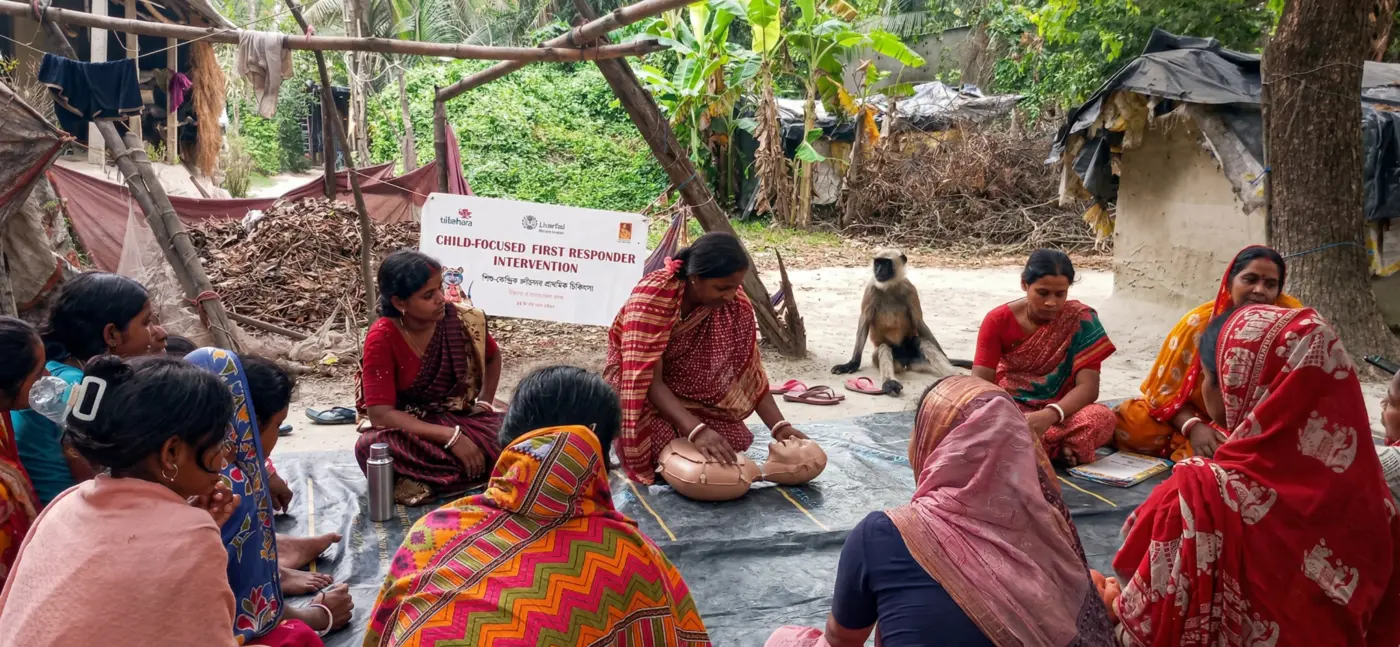
Hands-on learning helps community responders practise CPR and act decisively during an emergency.
CINI community training · West Bengal
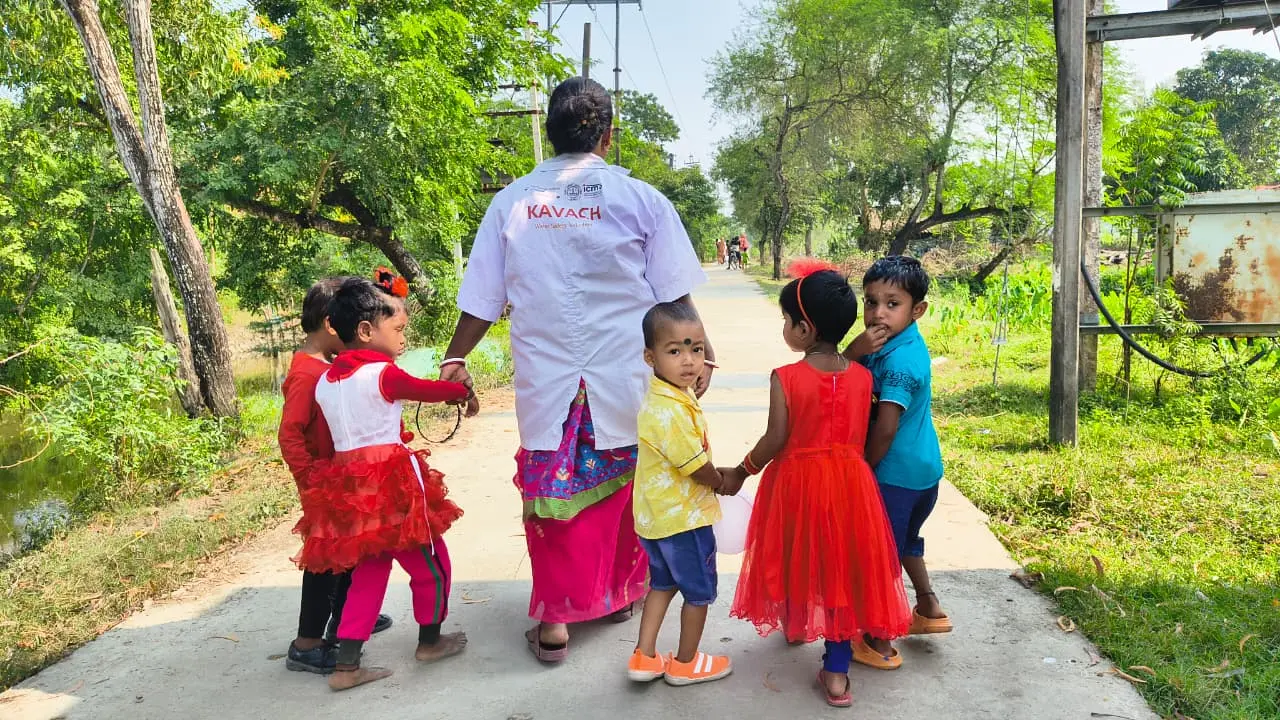
KAVACH offers supervised, child-friendly care during the hours when young children face the greatest risk.
KAVACH supervised care · CINI programme archive
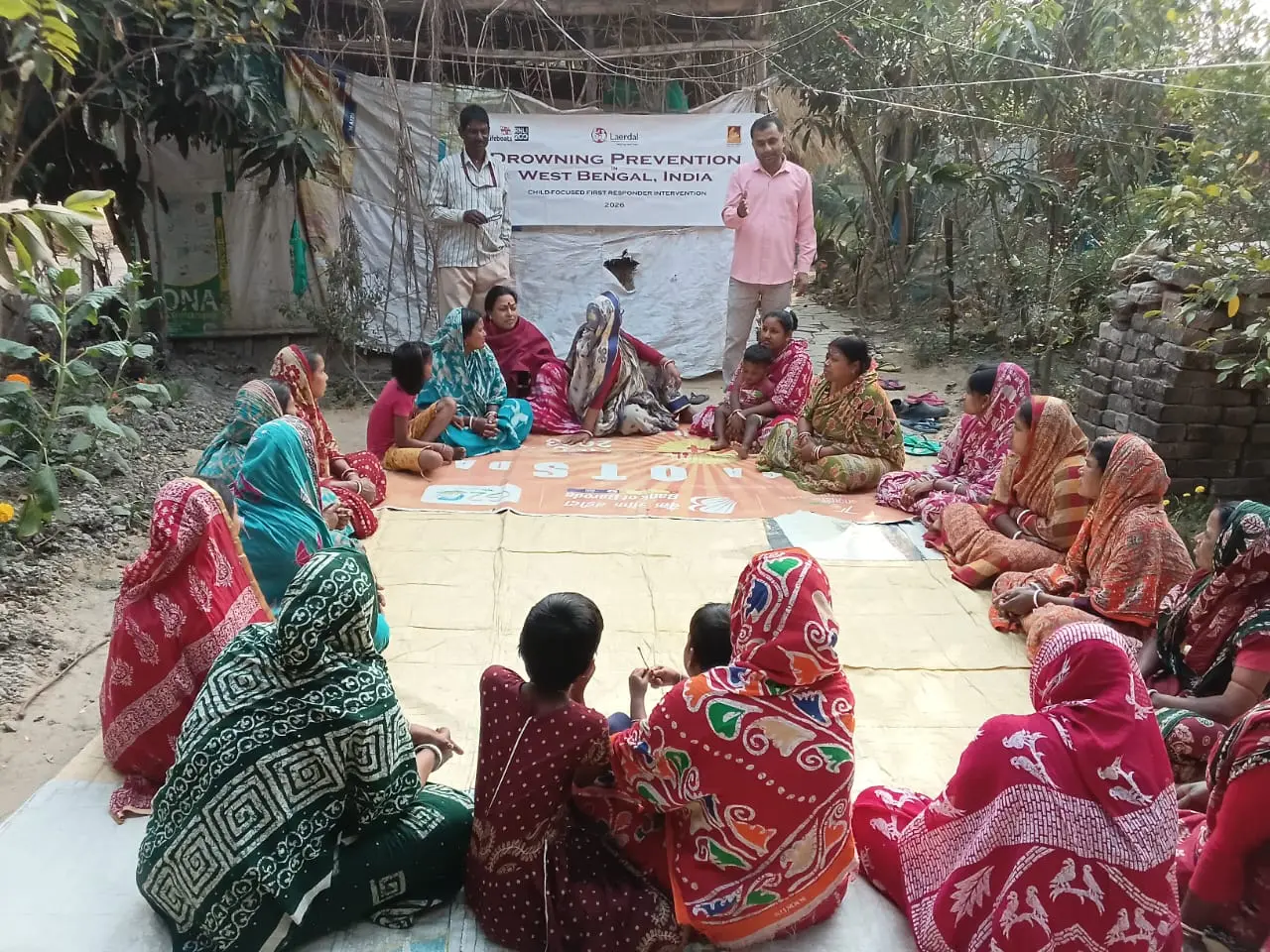
Women, families and local facilitators identify risks, challenge unsafe practices and agree practical actions.
Community dialogue · West BengalPREVENTION IN PRACTICE
Authentic programme photographs connect everyday water risk with supervised care, community leadership and public awareness.
CHILDREN’S CORNER
Friendly, fearless and easy to remember, Baghu helps children and families learn essential water-safety behaviours in a joyful, culturally rooted way.
EVIDENCE · PARTNERSHIP · ADVOCACY
CINI links community experience with credible evidence, technical learning and policy dialogue—creating a pathway from village-level solutions to state and national change.
INDEPENDENT COVERAGE
BBC News reported on the community response to child drowning, while WHO India featured local prevention in action. These are independent editorial and institutional features—not endorsements of this webpage.
Independent reporting from the Sundarbans on mothers, community action and the work being advanced with CINI and research partners.
Read the BBC News story WHO INDIA WHO INDIA · 25 JULY 2024WHO India's feature highlights KAVACH, pond-based swimming and community mobilisation in the Sundarbans.
Read the WHO India featurePARTNERSHIP FOR IMPACT
CINI collaborates with technical, research and philanthropic partners to strengthen programme quality, generate evidence and support the wider drowning-prevention movement.
TECHNICAL PARTNER
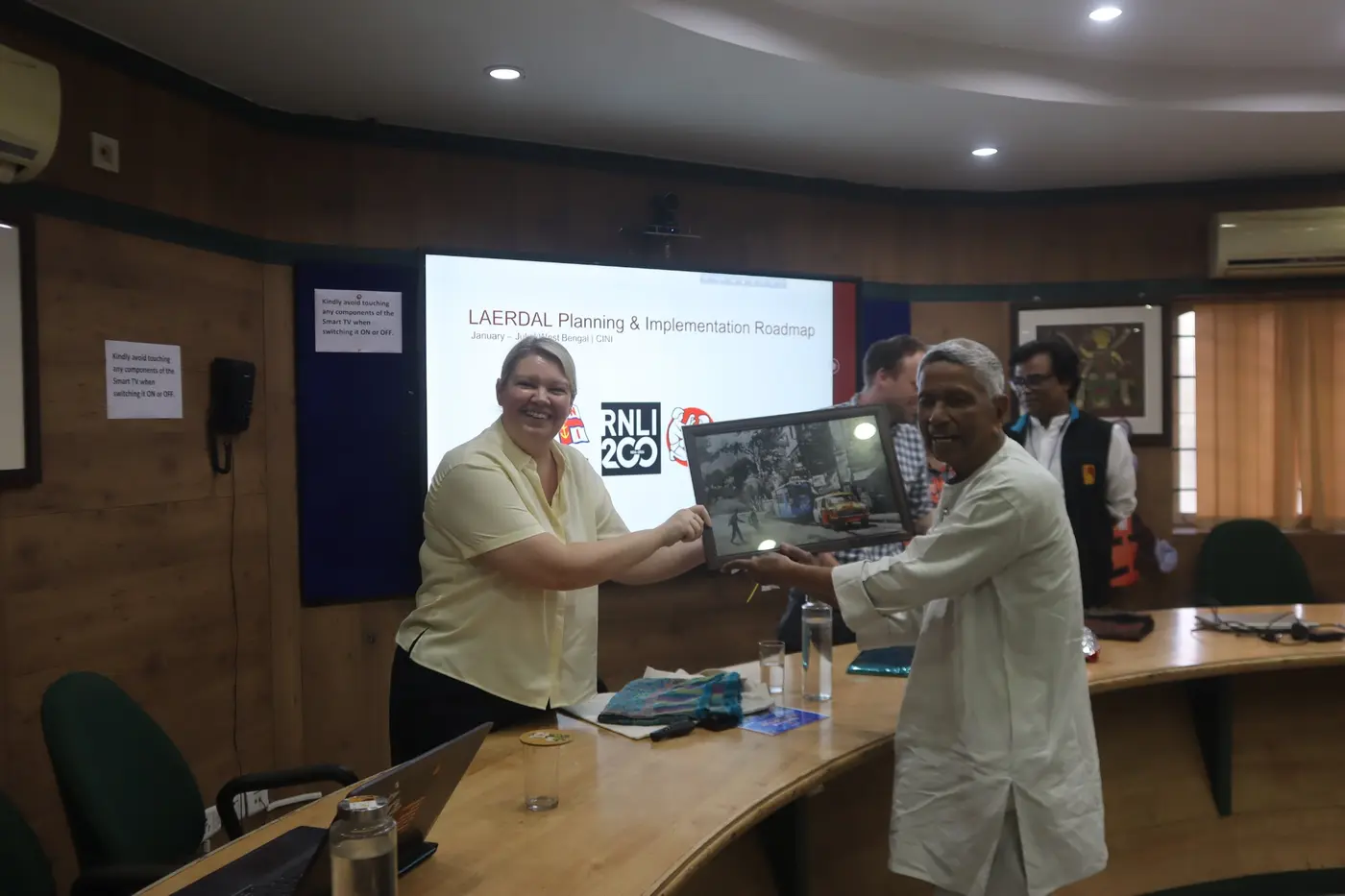
Supporting community-based rescue and resuscitation, trainer development, practical learning and quality improvement in life-saving skills.
Technical planning with RNLI · CINI programme archive
RESEARCH & LEARNING PARTNER
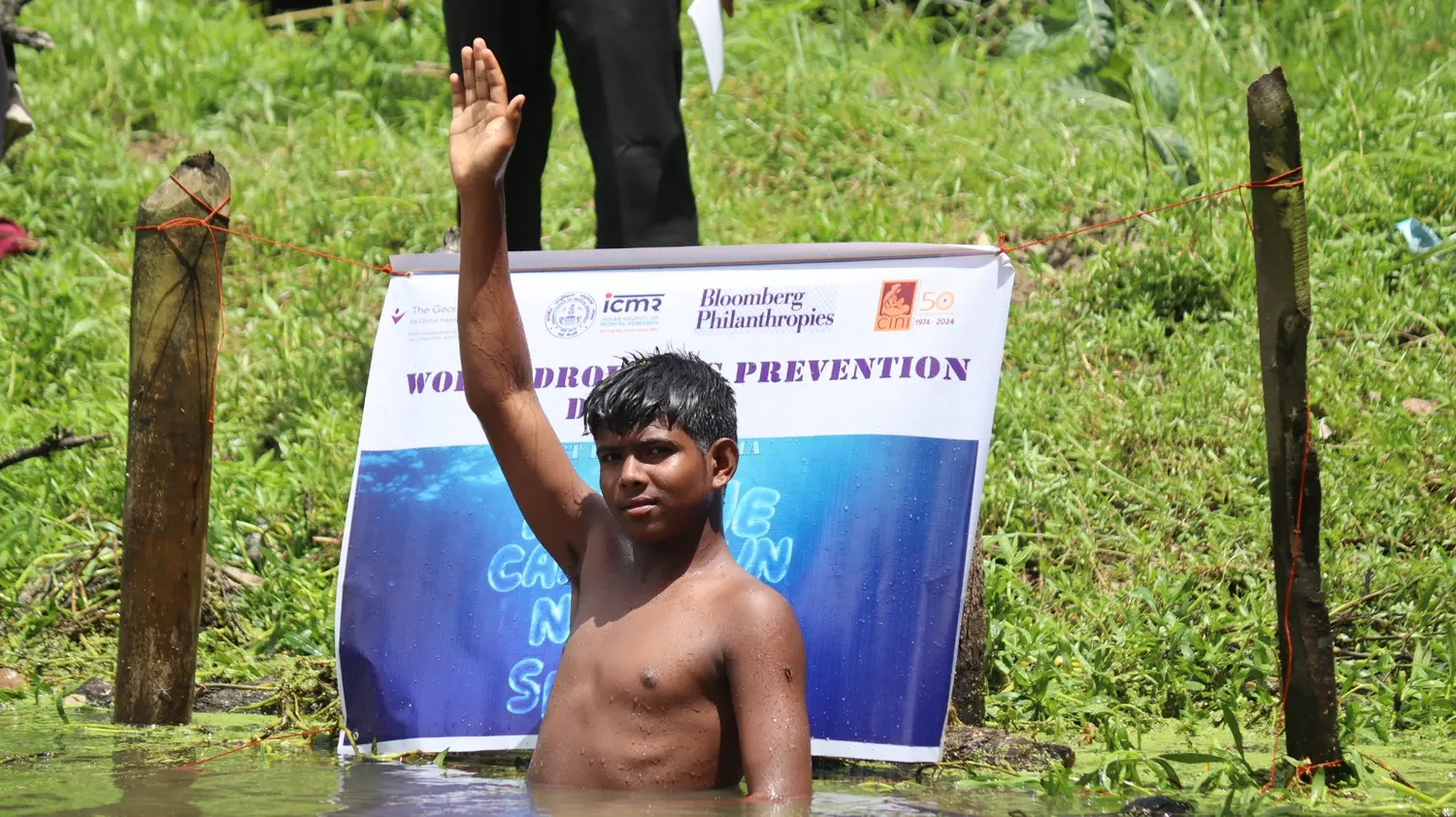
Advancing drowning-prevention evidence through research collaboration, implementation learning and translation of findings for policy and practice.
Pond-based water-safety activity · CINI–TGI programme archive
PHILANTHROPIC SUPPORT
Supporting ambitious, evidence-led approaches that strengthen prevention, inform scale-up and contribute to the global effort to reduce drowning deaths.
CINI at a Bloomberg Philanthropies drowning-prevention convening · 2025PARTNER WITH CINI
Help build communities where every child can grow, learn and thrive—safe around water.